If enrollment volatility can reach Syracuse, it can reach anywhere. Here's the pipeline higher ed keeps overlooking.
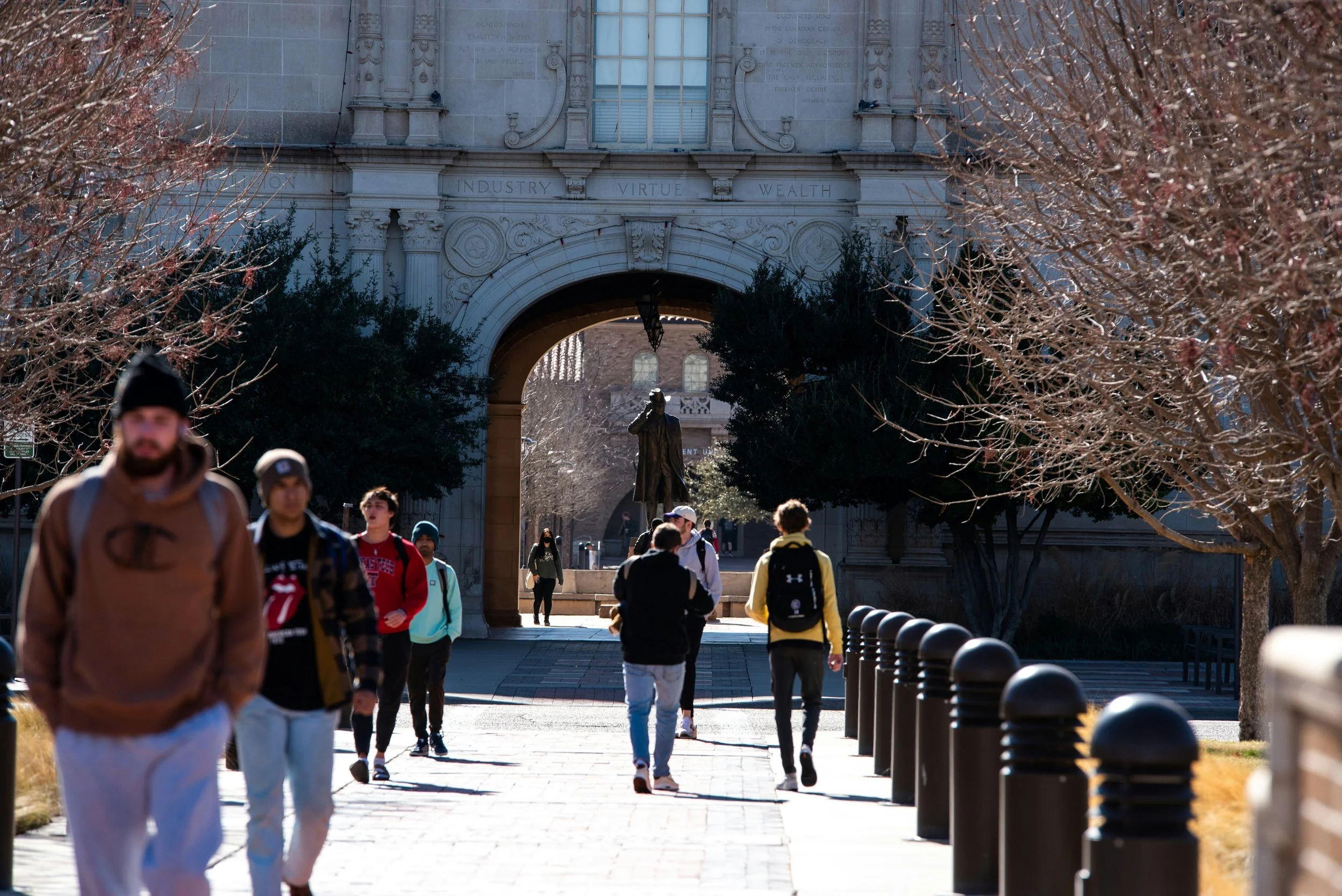
Jeffrey Selingo's TIME piece this week ("The Business Model of Colleges Is Broken. It's About to Get Worse") is the clearest diagnosis I've read of where higher ed actually stands right now. If you work anywhere near enrollment, read it twice.
His numbers are sobering. The class of 2026 is the first of a decade of smaller graduating classes - the "enrollment cliff" we've all seen coming since the Great Recession. Layer on federal research cuts, a more than one-third drop in new international students, and the loan caps that took effect July 1 under the One Big Beautiful Bill Act, and the old growth formula (more traditional 18-year-olds, more grad programs, higher prices, more buildings, more borrowing) stops adding up. When the chancellor of Syracuse, a national brand with a deep alumni base, publicly announces a missed enrollment target and a deficit, that's not a smaller-college story. That's everyone's story.
But the line that stopped me was Selingo's first prescription:
"The first step is to stop treating enrollment as a recruitment problem instead of a product one."
He's right. And I want to build on it, because I think there's a version of that sentence that's even more useful for the people running admissions offices on Monday morning.
Recruitment, done right, is the product.
The problem isn't that colleges recruit. It's that most of higher ed still recruits the way it did in 1995 - reactive, late, transactional, and blind to most of the students it should be talking to. You buy a name list, you send the brochures, you wait for applications, you hope the yield math works out. That's not recruiting. That's fishing and hoping.
There is one corner of the campus that solved this decades ago: athletics.
Athletic recruiting is early, high-touch, data-rich, and relationship-driven. Coaches identify talent years before signing day. They know who fits their program before the student has even started an application. The relationship is the product: the student feels seen, the institution builds a pipeline it can predict, and yield stops being a gamble. Nobody in an athletic department treats enrollment as a mailing-list exercise.
So here's the question I keep asking: why is that playbook reserved for the two percent of students who play a varsity sport?
The arts are the most overlooked, highest-yield pipeline in higher ed.
At CommonTime Pathways, we bring the athletics recruiting model to student musicians - and soon, to theater and dance. We think of it as athletics-style recruiting built on a student's Artistic Intelligence: a secure, early, high-touch, and predictive way for institutions to meet millions of talented young people they currently can't even see.
Why the arts specifically? Because it's a pipeline that's both enormous and almost completely invisible to enrollment offices:
Music, theater, and dance students are deeply committed, community-oriented, and persistent, exactly the profile of a student who enrolls, stays, and graduates.
They're everywhere, in every zip code and income bracket, but most colleges have no structured way to find them early.
The connection to real work (performance, ensembles, applied projects, mentorship) is native to the arts. That's precisely the "work-connected learning" Selingo says colleges have to build into the core experience. In the arts, it's already there.
When Selingo says the pipeline is leaking - immediate college-going down from 70% in 2016 to about 62% in 2022 - part of what's leaking is talent that never got a real relationship with an institution that wanted them. You don't fix a leak with more brochures. You fix it by finding the right students earlier and giving them a reason to feel they belong before the deadline.
"Show us," not "trust us."
Selingo's last point is that families are done with "trust us" and want colleges to "show us" - real outcomes, real value, real fit. That's the whole premise of what we're building. When recruiting is early and high-touch and data-driven, both sides get to prove fit before anyone signs. The student shows the institution who they are. The institution shows the student what it can actually offer. That's a healthier transaction than a name list and a hope.
The model that carried higher ed is breaking. The next one is being built now.
I don't read Selingo's piece as a eulogy, and neither should you. His closing line is the right one: the colleges that thrive won't be the ones that make tweaks to preserve the old model - they'll be the ones who redesign it for today's learner.
Redesigning for today's learner means seeing students you couldn't see before, reaching them earlier than you used to, and building a relationship that makes enrollment predictable instead of volatile. Athletics has done it for generations. The arts are next. And the institutions that move first won't just weather the cliff - they'll come out the other side with a pipeline their competitors don't even know exists.
If you're at an institution thinking hard about the next decade of enrollment, I'd genuinely love to compare notes. This is the conversation worth having right now.
Article referenced: Jeffrey Selingo, "The Business Model of Colleges Is Broken. It's About to Get Worse," TIME, July 2, 2026.